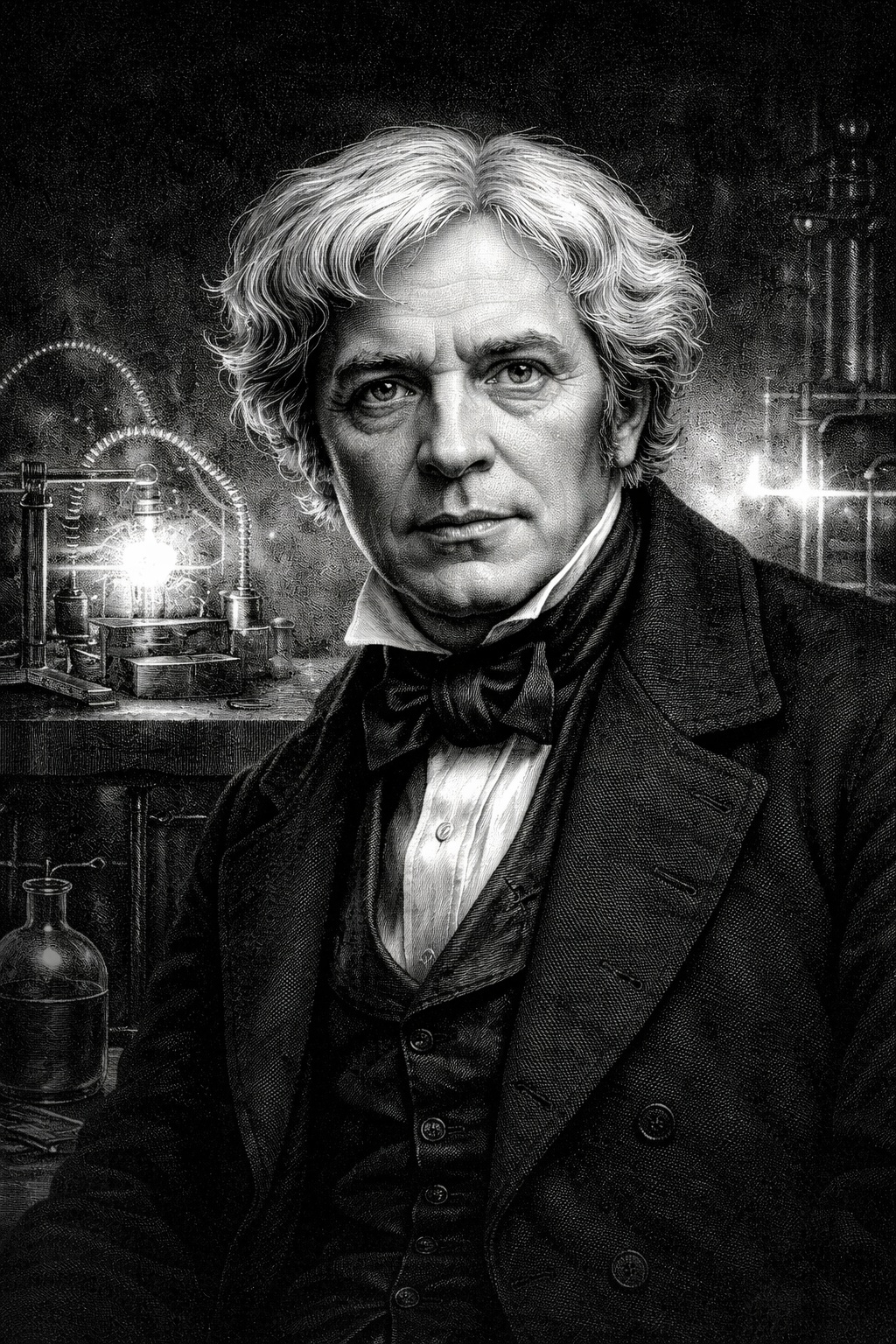
Michael Faraday
Michael Faraday was a scientist who discovered the phenomenon of electromagnetic induction. His experiments showed that moving a conductor in a magnetic field can generate an electric current. This discovery became the foundation of electric generators and the entire modern power industry.
In the history of science, there are discoveries that completely change the way people understand nature.
One of these discoveries was the phenomenon of electromagnetic induction, discovered by the English scientist Michael Faraday.
This discovery showed that electrical energy can be produced from motion. Today this principle is used in electric generators that produce electricity for homes, cities, and entire countries.
Thanks to Faraday’s research, the development of modern power engineering and electrical technology became possible.
Today almost all electrical energy in the world is produced using principles that were first discovered by this scientist.
Who Was Michael Faraday
Michael Faraday was born in 1791 in London into the family of a blacksmith.
His childhood was rather modest, and he did not receive a full university education. As a young man, Faraday worked as an apprentice bookbinder.
However, this job unexpectedly influenced his future.
While binding books, he had the opportunity to read scientific literature. He became especially interested in books about physics and chemistry.
Faraday began studying science on his own, reading scientific works and conducting small experiments.
Later he started attending scientific lectures at the Royal Institution in London.
One of the lecturers was the famous chemist Humphry Davy. Faraday studied Davy’s lectures so carefully that one day he sent him detailed notes he had written.
Davy was impressed and soon offered Faraday a job as a laboratory assistant.
This marked the beginning of the scientific career of one of the greatest scientists in the history of physics.
Experiments with Electricity and Magnets
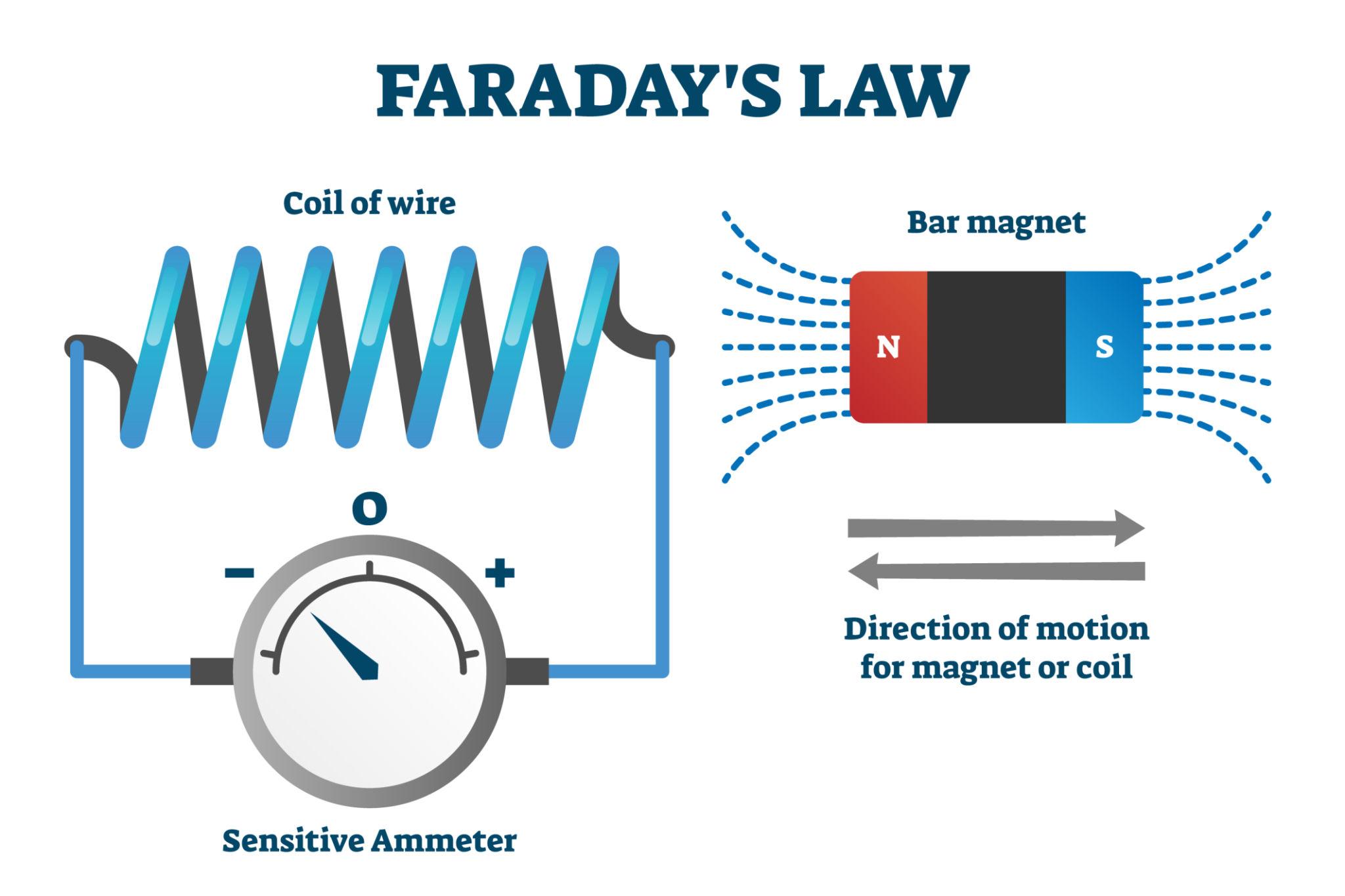
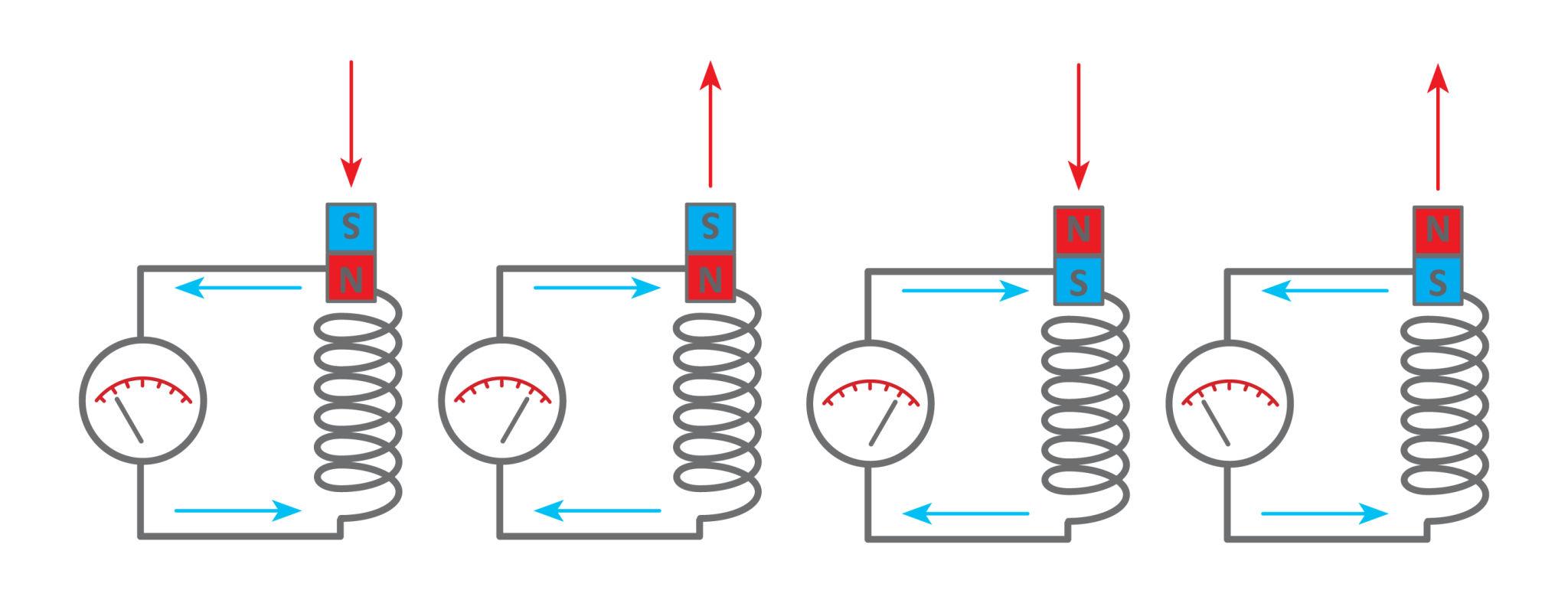
While working in the laboratory, Faraday conducted many experiments.
He was particularly interested in one question: how electricity is related to magnetism.
At the beginning of the nineteenth century scientists already knew that electric current could create a magnetic field. However, they did not know whether the opposite effect was possible.
Faraday began investigating whether a magnetic field could generate an electric current.
To study this, he carried out experiments using magnets, wires, and coils.
Discovery of Electromagnetic Induction
In 1831 Faraday made one of the most important discoveries in the history of physics.
He found that a changing magnetic field can produce an electric current.
If a magnet moves near a conductor or inside a coil of wire, an electrical voltage appears in the conductor.
When the motion stops, the current disappears.
This phenomenon was called electromagnetic induction.
The discovery showed that electrical energy can be produced from mechanical motion.
The First Electric Generator
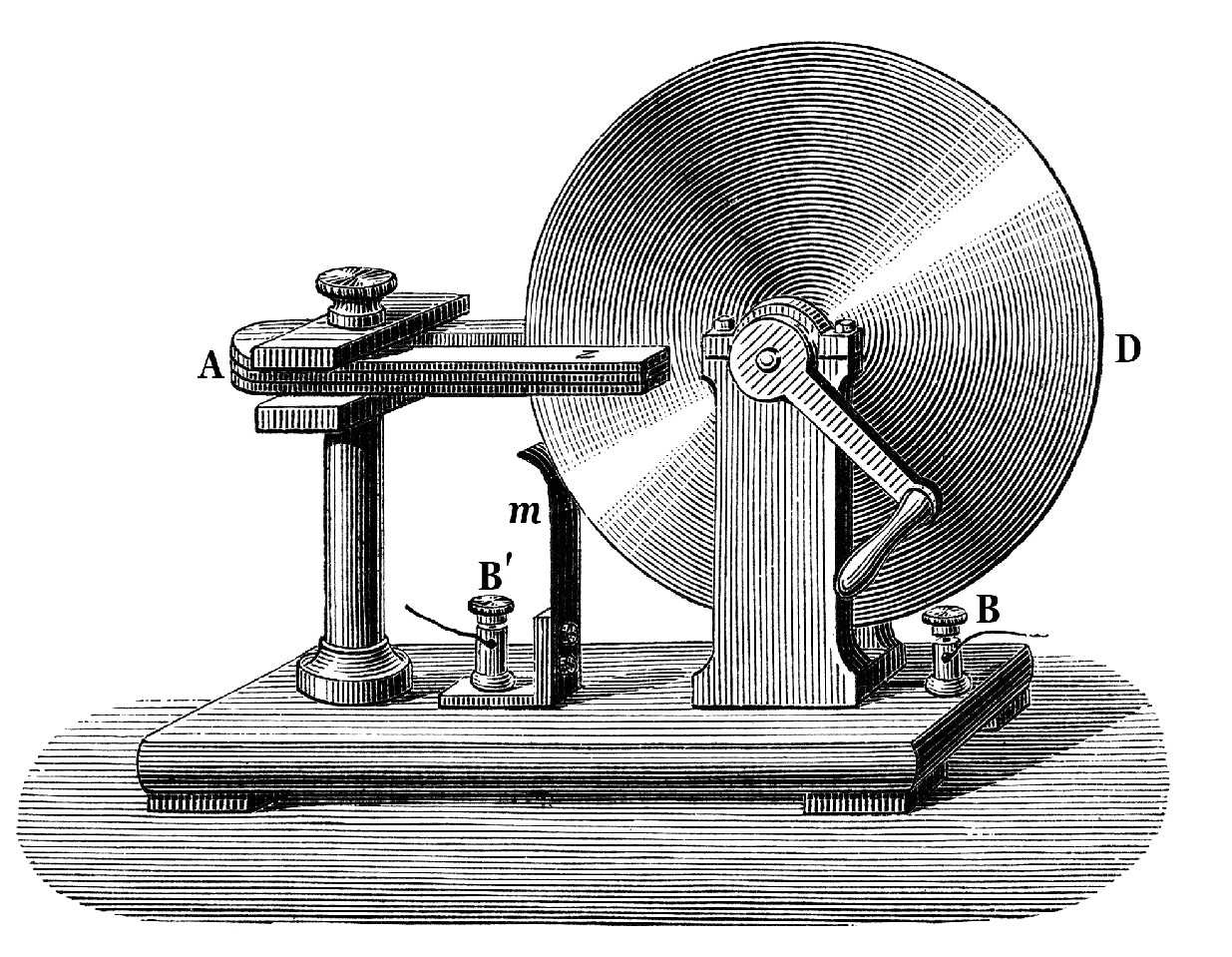
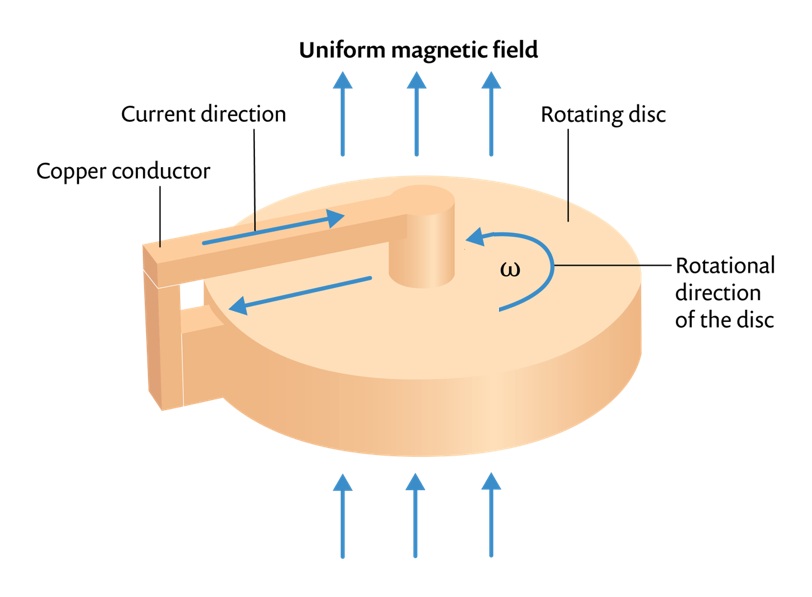
After discovering electromagnetic induction, Faraday wanted to test whether this phenomenon could be used to create a source of electricity.
In the same year he built one of the first devices that could be called an electric generator.
This device became known as the Faraday disk.
It consisted of:
- a copper disk
- a magnet
- electrical contacts
When the disk rotated in a magnetic field, an electrical voltage appeared between its center and its edge.
Although the device was simple, it demonstrated the operating principle of all future generators.
Today this same principle is used in power plants around the world.
The Induction Ring Experiment
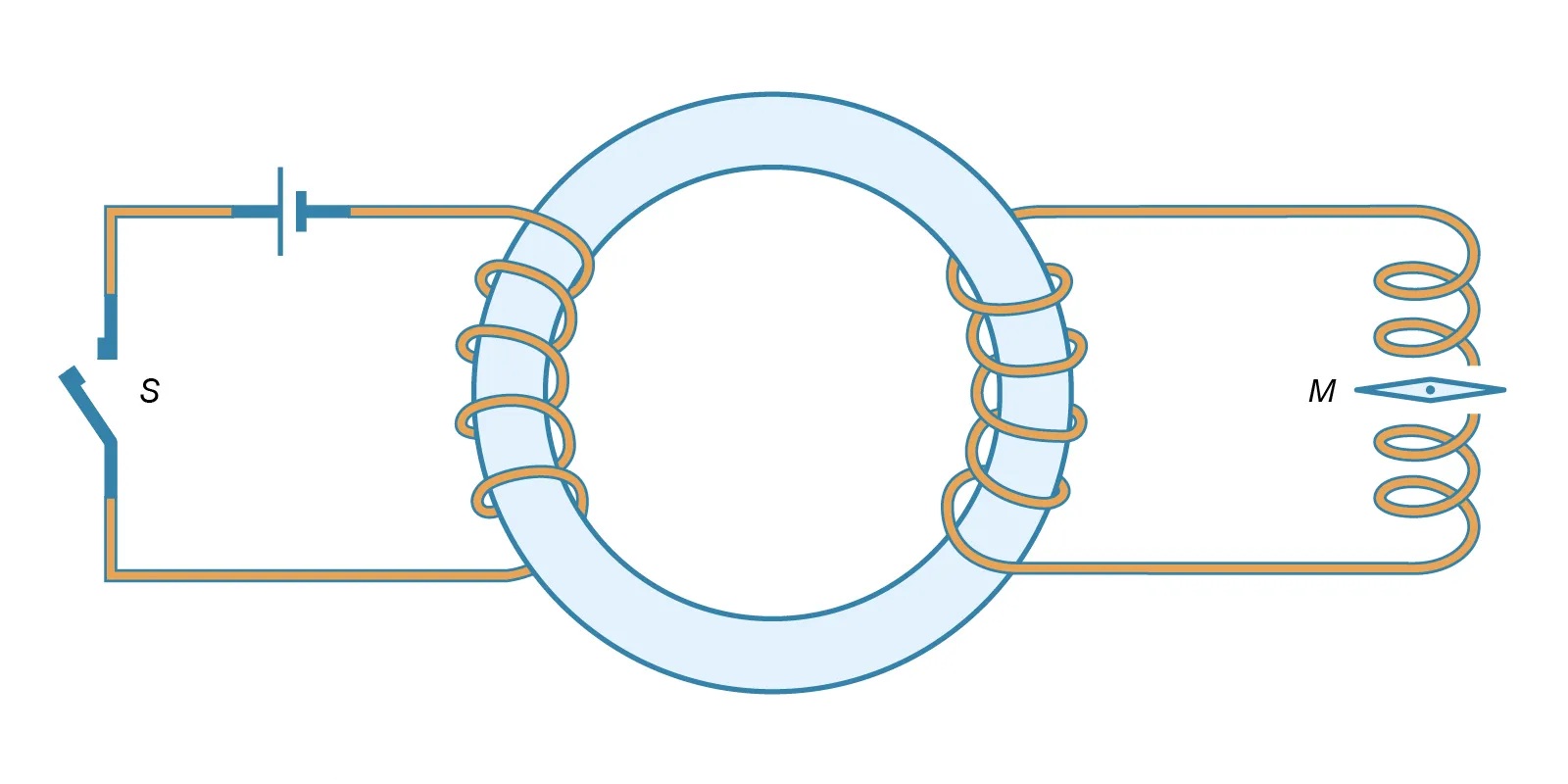
During his research Faraday also performed an experiment that became the basis for the transformer.
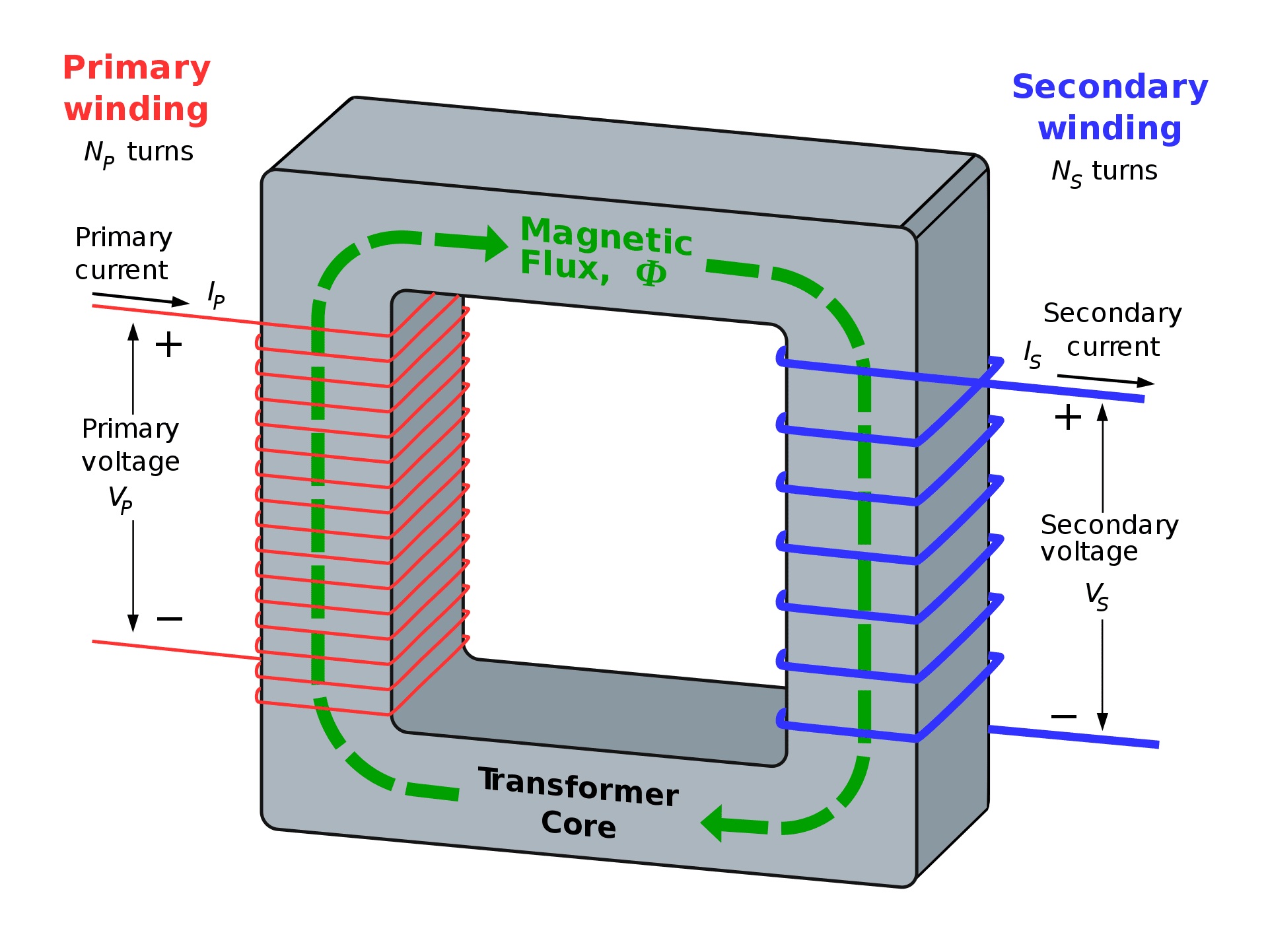
He used an iron ring and wound two coils of wire around it.
When electric current flowed through one coil, a voltage appeared in the second coil.
This showed that energy could be transferred between conductors through a magnetic field.
Today this principle is used in transformers that allow electrical energy to be transmitted over long distances.
The Idea of Electric and Magnetic Fields
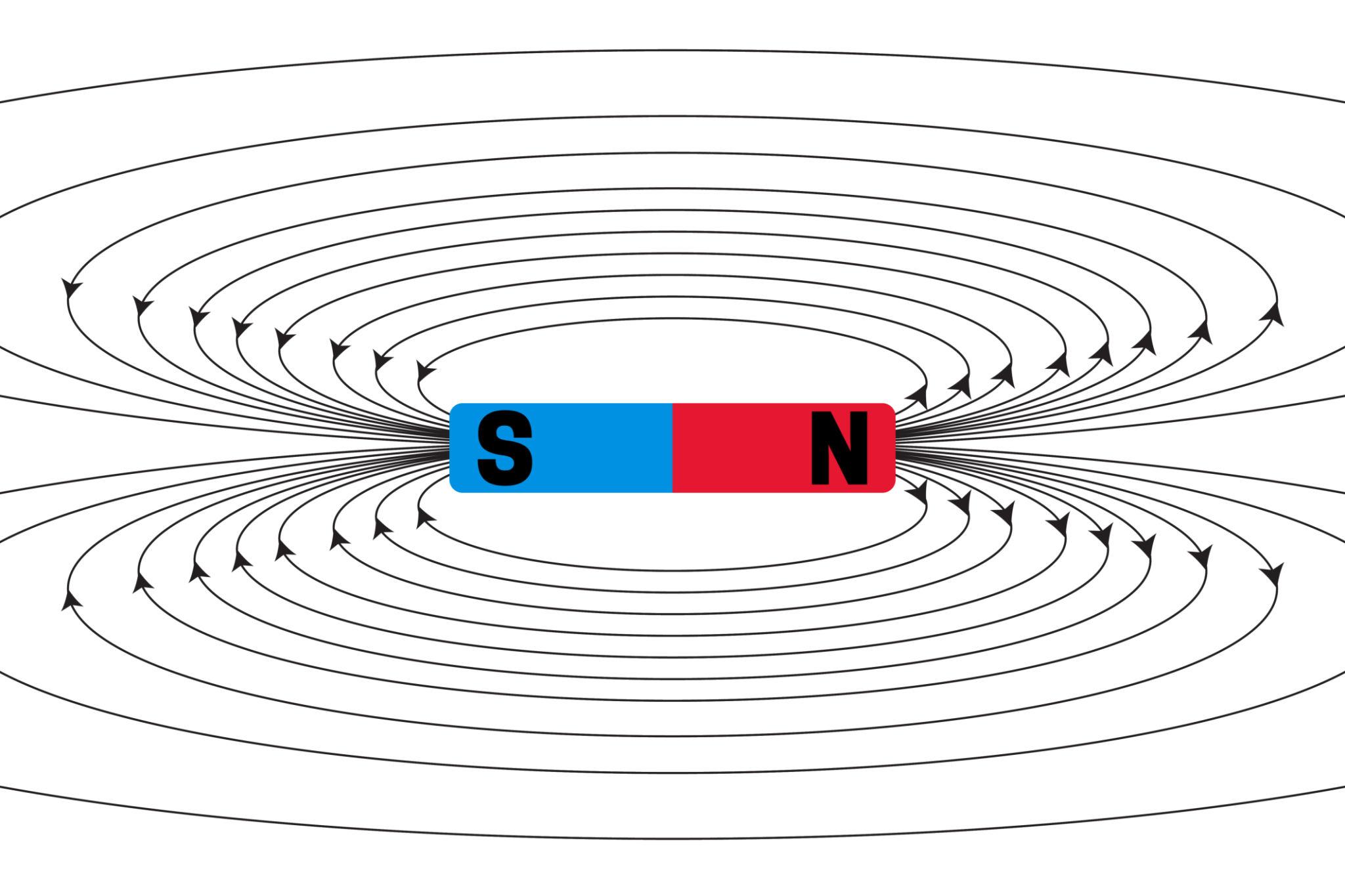
Faraday proposed a new idea to explain electrical and magnetic phenomena.
He introduced the concept of a field.
According to Faraday, electric and magnetic forces spread through space in the form of fields.
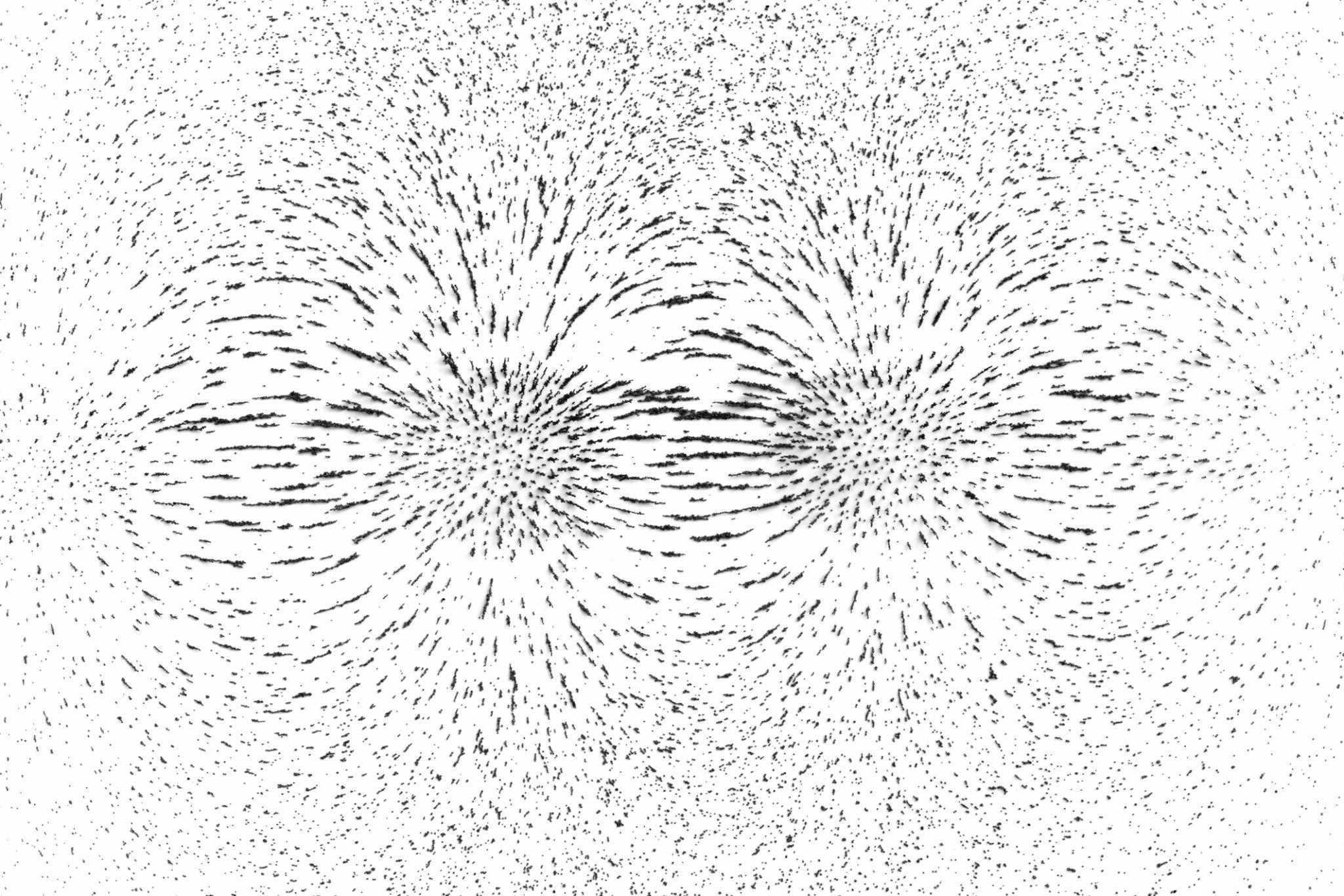
To demonstrate the existence of a magnetic field, Faraday used iron filings.
When iron filings are sprinkled around a magnet, they arrange themselves along the lines of the magnetic field.
Later this idea became the foundation of the full theory of electromagnetism.
The Impact of Faraday’s Work
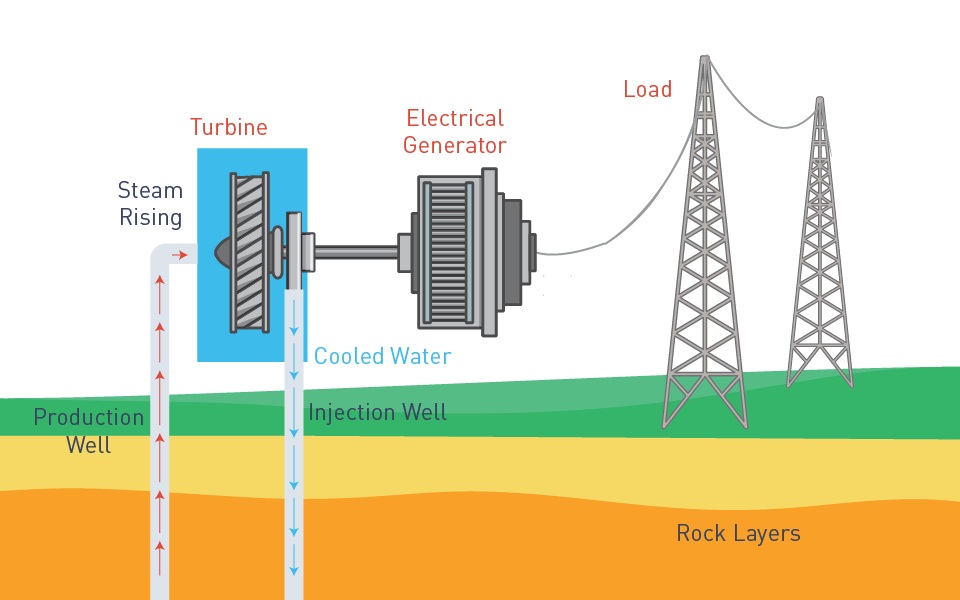
Faraday’s discoveries had an enormous influence on the development of science and technology.
His research forms the basis of the operation of:
- electric generators
- transformers
- electric motors
- electromagnetic devices
Virtually the entire modern power industry is based on the principle of electromagnetic induction.
Every power plant generates electricity thanks to this phenomenon.
Faraday and Modern Technology
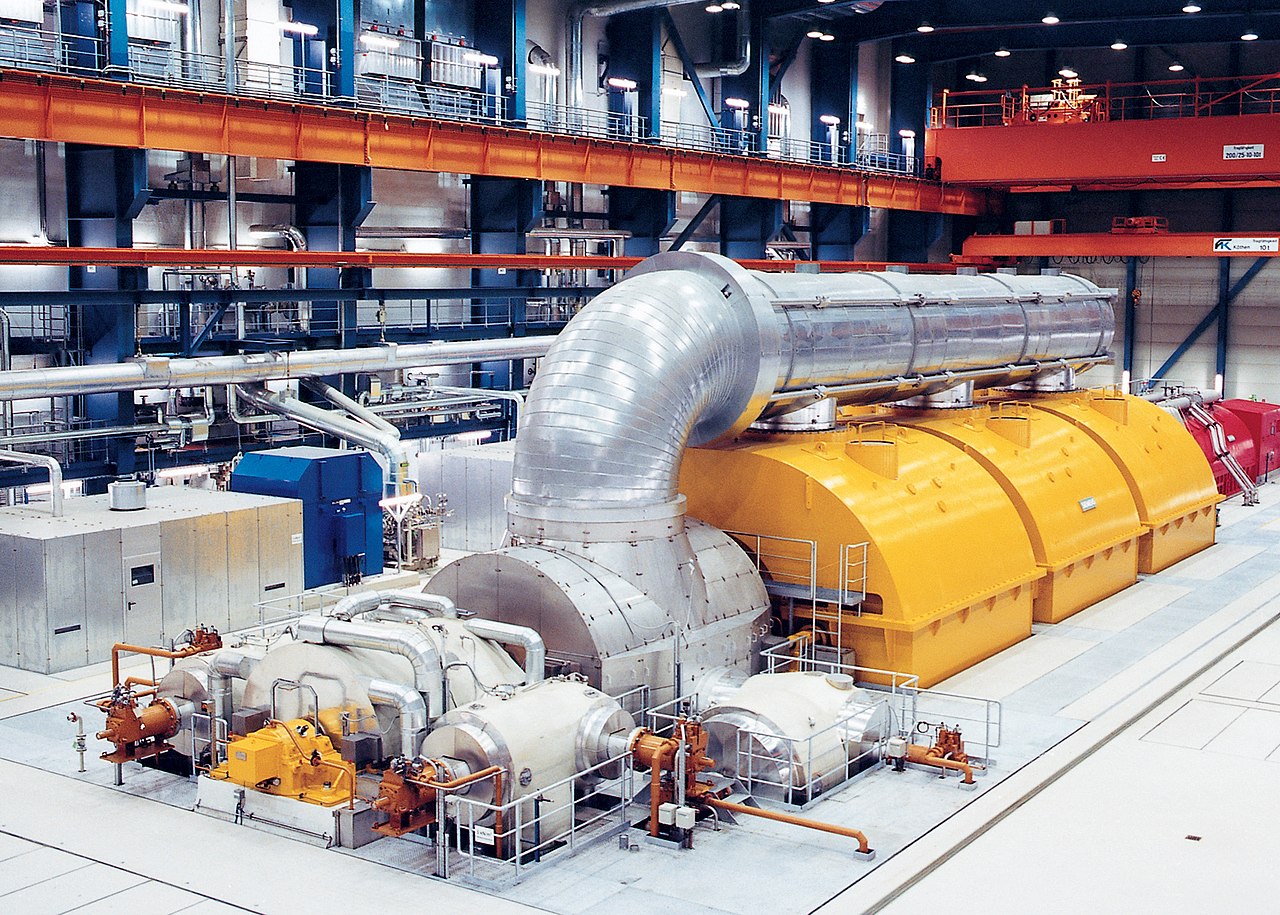
Today billions of people use electrical energy every day.
This energy is used in:
- lighting
- transportation
- industry
- electronics
- communication
Most of this energy is produced using generators.
Every generator works thanks to the phenomenon of electromagnetic induction discovered by Michael Faraday nearly two centuries ago.
Unit of Measurement
The unit of electrical capacitance was named in honor of Michael Faraday.
This unit is called the farad (F).
It is used to measure the capacitance of capacitors.
Capacitors are important components in electronic circuits and are used in almost all electronic devices.
Summary
Michael Faraday became one of the most influential scientists in the history of electricity.
His research showed that:
- magnetic fields can generate electric current
- moving a conductor in a magnetic field can produce electrical energy
- electricity and magnetism are closely connected
These discoveries became the foundation of modern electrical engineering and power generation.
Every electric generator operating today uses the principle discovered by Faraday almost two hundred years ago.
Continue Learning
The story of electricity continues.
📘 Visit the Learning section for articles explaining the fundamentals of electricity and electronics.
🔧 Explore the Devices section to see how electrical principles are applied in real systems.
💬 Join discussions and ask questions on the Forum.