Direct Current and Alternating Current
So far, we have described electric current as the movement of electric charges.
However, in practice, current can behave in different ways.
In some cases, it flows steadily in one direction.
In others, it continuously changes direction.
This difference leads to two main types of current:
👉 direct current (DC)
👉 alternating current (AC)
What Is Direct Current?
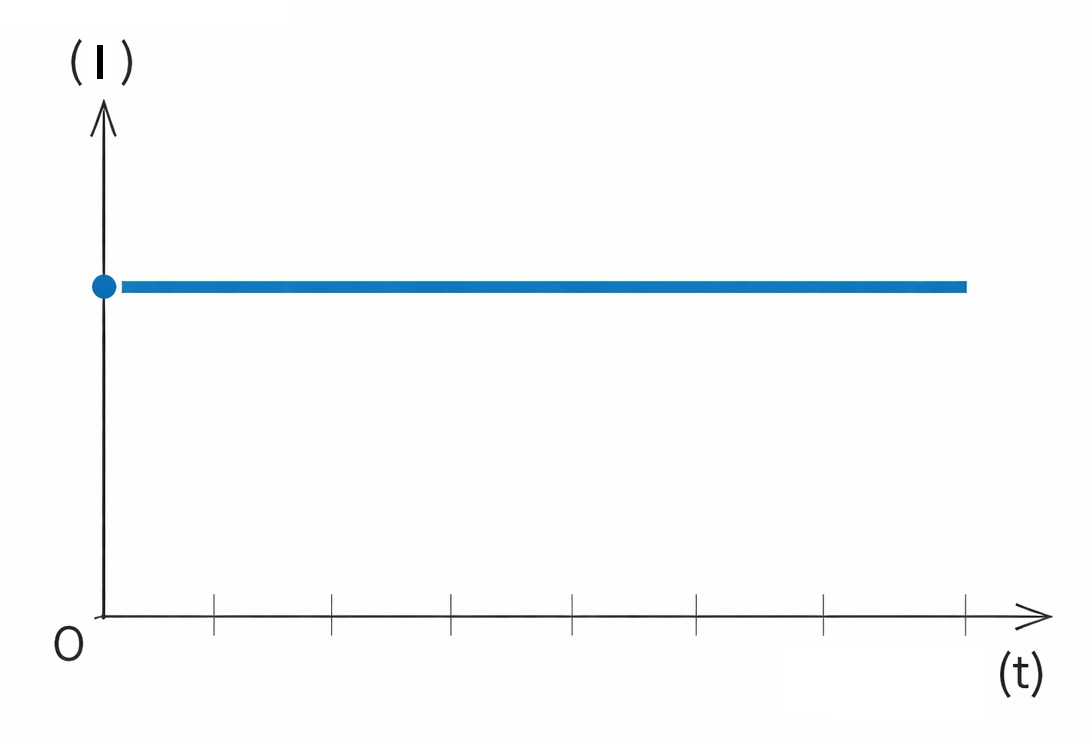
Direct current is a type of current that flows in a single direction.
This means that electrons move steadily from one point to another without reversing direction.
Direct current is produced by sources such as:
- batteries
- accumulators
- solar panels
If you connect a lamp to a battery, the current will flow in one direction for as long as the source provides energy.
How Direct Current Behaves
In direct current:
- the direction of flow does not change
- voltage remains constant
- current is stable (in ideal conditions)
This stability makes DC especially suitable for electronic devices.
That is why:
👉 most electronics operate using direct current
What Is Alternating Current?
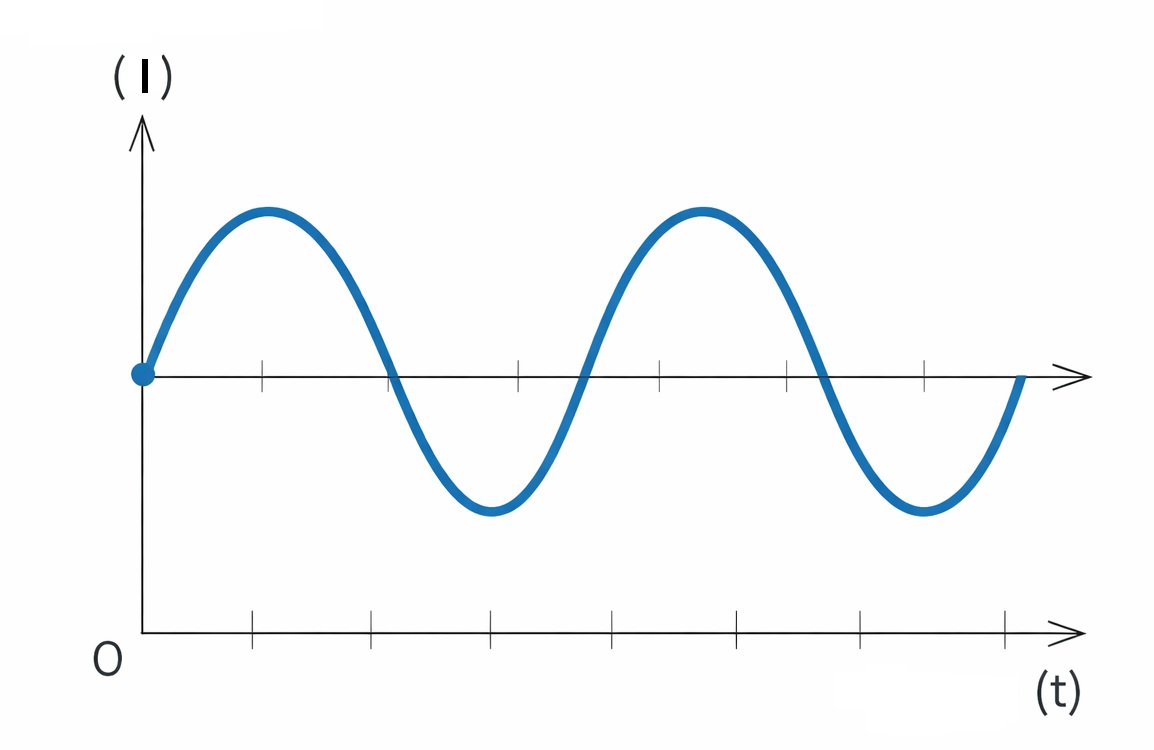
Alternating current is a type of current that periodically changes direction.
This means that electrons move first in one direction, then in the opposite direction.
Alternating current is used in:
- power grids
- wall outlets
- energy transmission systems
How Alternating Current Behaves
In alternating current:
- the direction of flow changes continuously
- voltage varies over time
- current follows a repeating waveform
In most cases, this waveform is sinusoidal.
This means that the current:
- increases
- decreases
- passes through zero
- reverses direction
Frequency of Alternating Current
Alternating current is characterized by its frequency.
Frequency indicates how many times per second the current changes direction.
It is measured in hertz (Hz).
For example:
- Europe — 50 Hz
- United States — 60 Hz
This means the current changes direction 50 or 60 times per second.
Why Alternating Current Is Used
A natural question arises.
If direct current is simpler, why do we use alternating current in power systems?
The answer lies in energy transmission.
Alternating current is easier to:
- transmit over long distances
- transform (increase or decrease voltage)
- use in large-scale power systems
Because of these advantages, AC became the standard for electrical grids.
Where Direct Current Is Used
Direct current is used where stability is important.
It is found in:
- electronic devices (phones, computers)
- batteries
- internal power systems
Even when a device is plugged into a wall outlet, it usually converts AC into DC internally.
Where Alternating Current Is Used
Alternating current is mainly used for energy distribution.
It is found in:
- power networks
- household electrical systems
- electric motors
It forms the backbone of modern electrical infrastructure.
The Relationship Between AC and DC
Although they are different types of current, they are closely connected in practice.
In everyday life, there is constant conversion:
👉 AC from the wall outlet
👉 is converted into DC inside devices
This conversion allows modern electronics to function properly.
The Key Difference
The main difference between DC and AC is simple:
👉 direct current flows in one direction
👉 alternating current changes direction
However, there is a deeper distinction.
Alternating current depends on time and waveform behavior, while direct current remains stable.
Why This Matters
Understanding the difference between DC and AC is essential for:
- learning electronics
- understanding power systems
- working with electrical devices
It is a fundamental step toward more advanced topics.
Summary
Direct current flows in one direction and is used in electronics.
Alternating current changes direction and is used in power systems.
Both types of current are essential and serve different roles in modern technology.
You can also:
🔧 visit the “Devices” section to see practical applications;
📘 continue learning in the “Education” section;
💬 ask questions or join the discussion on the Forum.