Where Does Electricity Come From
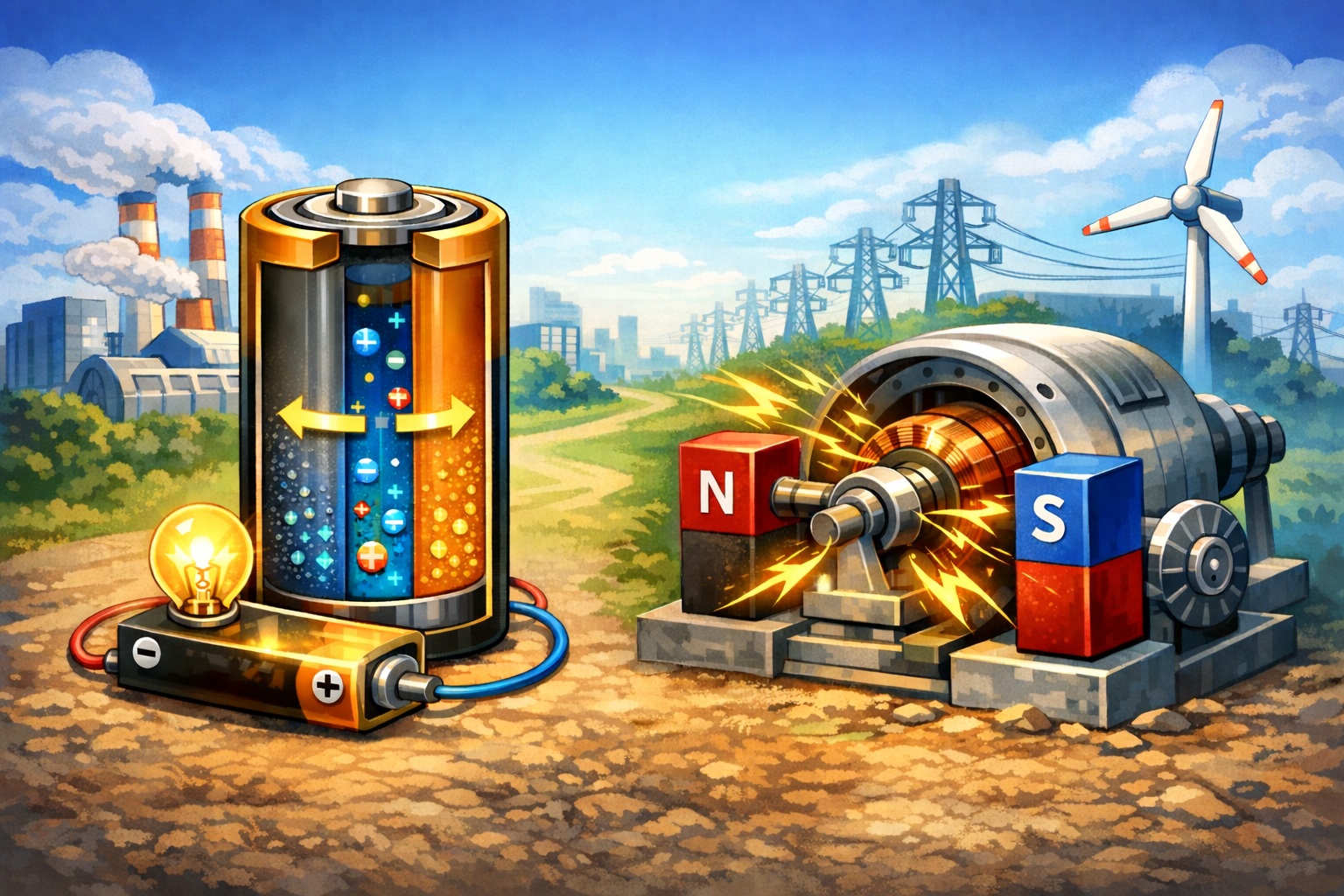
Generator and Battery
We already know that electric current is the movement of electric charges inside a conductor.
When electrons begin to move through wires, electrical energy can be transferred from a source to different devices.
But this raises an important question.
Where does electricity actually come from?
Why can a battery make electrons move through wires?
How do power plants produce electricity for entire cities?
To answer these questions, we need to understand how sources of electrical energy work.
Electricity does not appear on its own. It is produced by devices that convert different types of energy into electrical energy.
The main sources of electricity include:
- batteries
- rechargeable batteries (accumulators)
- electric generators
- solar panels
In this article, we will focus on two of the most common sources of electricity — batteries and generators.
Electricity from a Battery
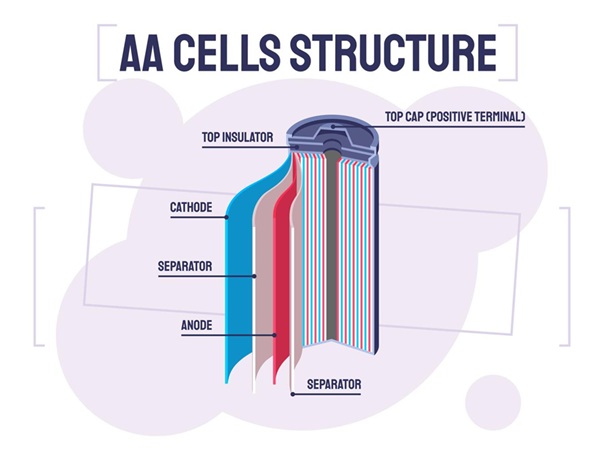
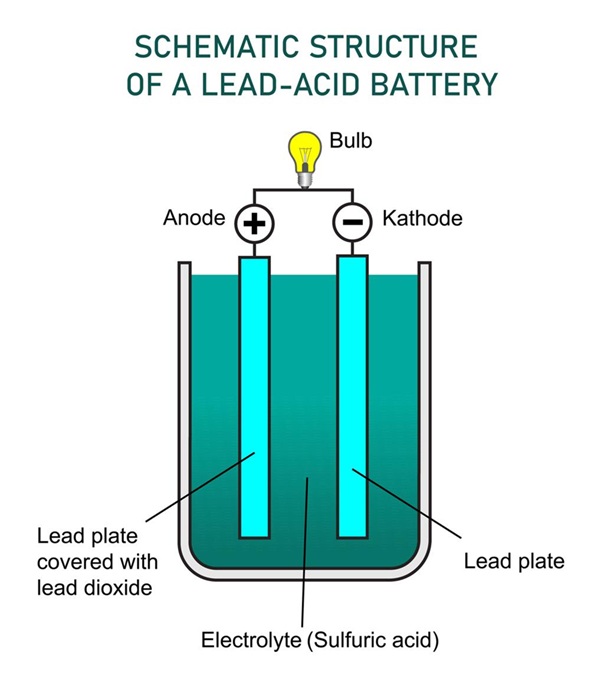
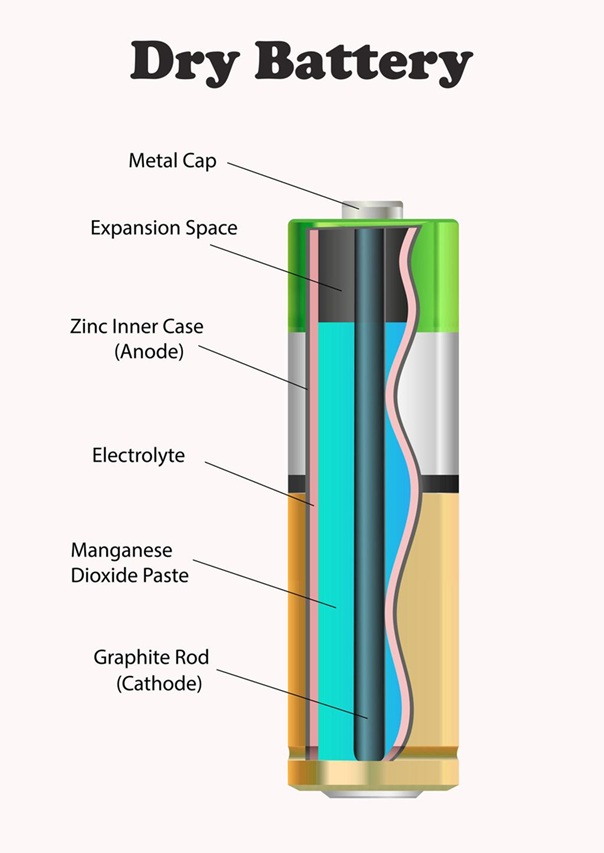
A battery produces electrical energy through a chemical reaction that occurs inside it.
Every battery contains several key components:
- anode — the negative electrode
- cathode — the positive electrode
- electrolyte — a substance that allows charged particles to move
When a battery is connected to an electrical circuit, a chemical reaction begins inside the battery between the substances on the electrodes.
This reaction creates a difference in electric potential between the battery’s terminals.
If the terminals are connected by a conductor — for example a wire or a light bulb — electrons begin to move through the conductor.
This movement forms an electric current.
One important thing to understand is that batteries do not create new electrons.
Electrons already exist inside the conductor.
The battery simply creates the conditions that make those electrons move in a particular direction.
A Simple Example
To better understand how a battery works, imagine two water tanks connected by a pipe.
If the water level in one tank is higher than in the other, water will begin to flow through the pipe.
The reason for this movement is the difference in water levels.
Electricity works in a similar way.
A battery creates a difference in electric potential that causes electrons to move through a conductor.
Where Batteries Are Used
Batteries are used in many devices, especially where it is not possible to connect to the electrical grid.
For example:
- flashlights
- remote controls
- wall clocks
- toys
- portable radios
The main advantage of batteries is that they are portable and independent from the power grid.
Why Batteries Run Out
The operation of a battery depends on a chemical reaction.
However, the amount of chemical material inside a battery is limited.
As the battery works, these substances are gradually consumed and the reaction becomes weaker.
Eventually the reaction can no longer create a potential difference.
At this point the battery is considered discharged.
Rechargeable Batteries
Rechargeable batteries work in a similar way, but with one important difference.
The chemical reaction inside them can occur in both directions.
When a rechargeable battery is connected to a charger, electric current flows through it.
This current restores the chemical substances inside the battery.
As a result, rechargeable batteries can be used many times.
They are commonly used in:
- smartphones
- laptops
- electric vehicles
- wireless headphones
- power tools
Electricity from a Generator
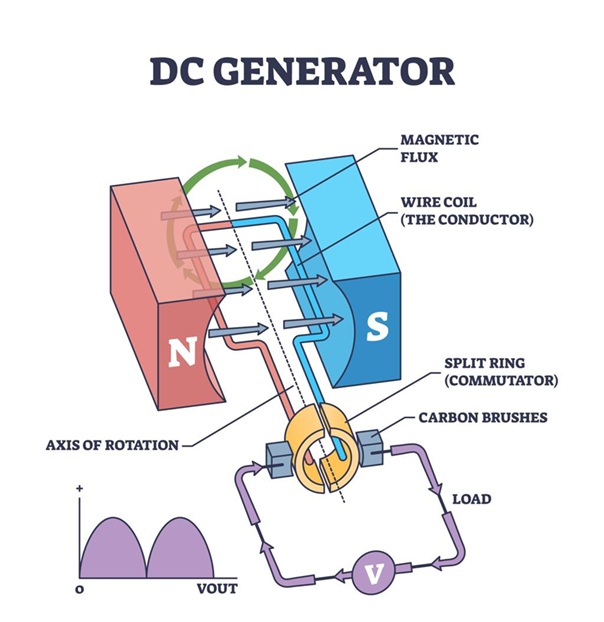
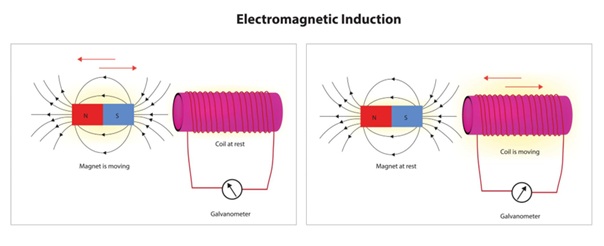
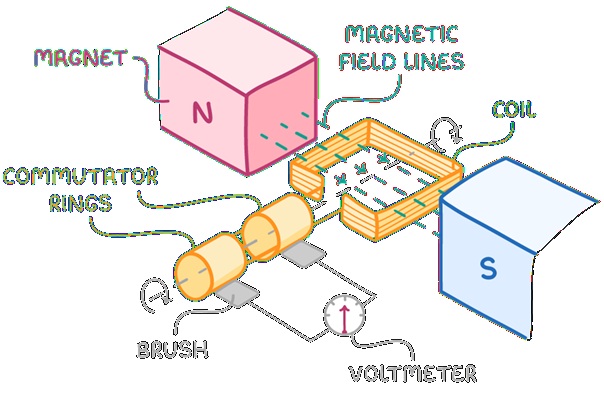
Another important source of electrical energy is the electric generator.
Generators work on a completely different principle than batteries.
While a battery produces electricity through a chemical reaction, a generator produces electricity through the movement of a conductor in a magnetic field.
This phenomenon is known as electromagnetic induction.
It was discovered by the English scientist Michael Faraday in the 19th century.
Faraday found that when a conductor moves within a magnetic field, an electric current appears in the conductor.
How a Generator Works
The operation of a generator can be described in a few simple steps.
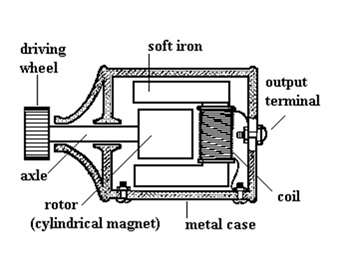
- a source of mechanical energy rotates the generator shaft
- a coil of wire rotates together with the shaft
- the coil is located inside a magnetic field
- the movement of the conductor generates an electric current
In this way, a generator converts mechanical energy into electrical energy.
A Simple Example of a Generator
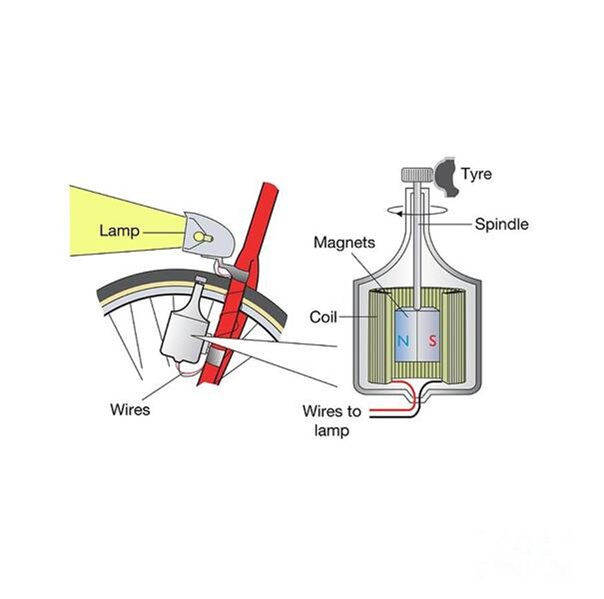
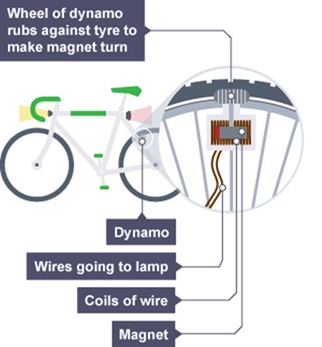
A simple example of a generator can be seen on a bicycle.
Some bicycles are equipped with a dynamo generator that powers the headlight.
When the cyclist pedals, the wheel rotates a small generator.
Inside the generator, a coil of wire rotates in a magnetic field.
This motion produces an electric current that powers the bicycle lamp.
The faster the wheel rotates, the more electrical energy is produced.
Electricity in Power Plants
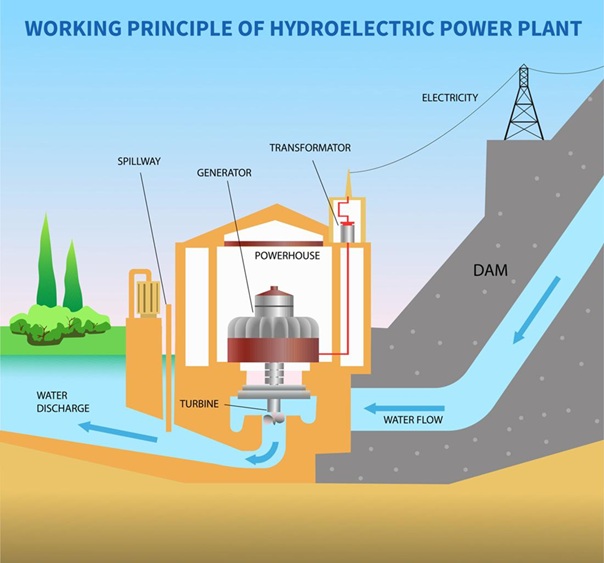
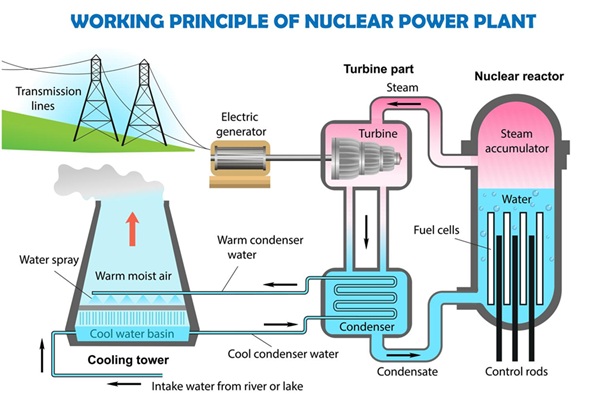
Most of the electricity used in the world is produced in power plants.
Different types of power plants use different energy sources.
For example:
Hydroelectric power plants
Flowing water turns a turbine connected to a generator.
Thermal power plants
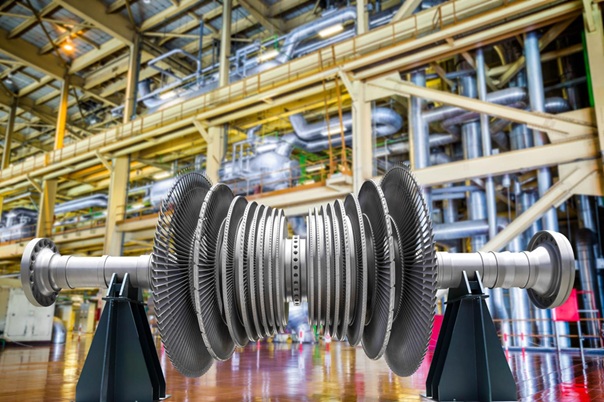
Steam produced by heating water spins a turbine.
Nuclear power plants
Nuclear energy is used to heat water and produce steam.
Wind power plants
Wind rotates the blades of a turbine.
In all these cases, a turbine spins a generator that produces electricity.
Why Batteries Cannot Power Cities
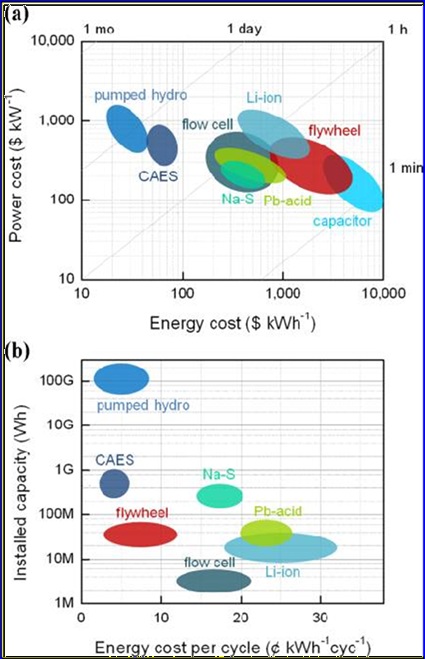
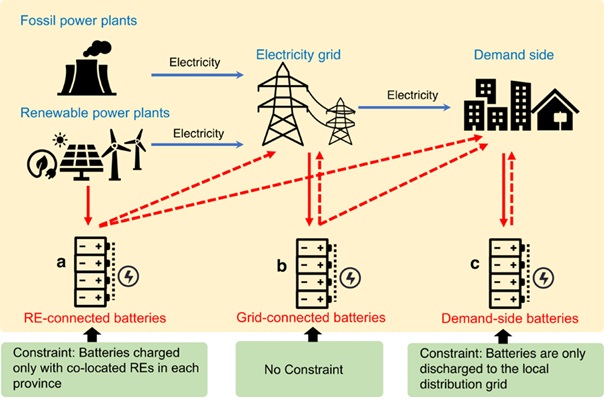
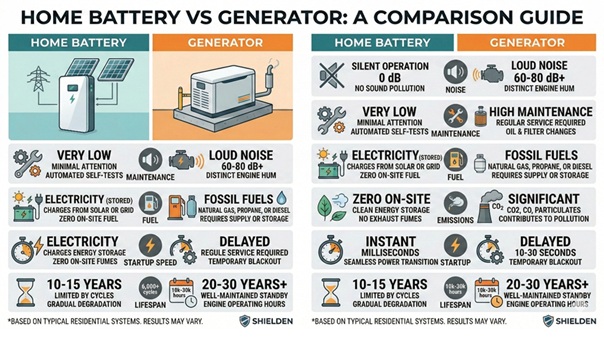
A common question is: if batteries can produce electricity, why not use them to power entire cities?
The reason is the amount of energy.
Batteries produce relatively small amounts of electrical energy.
They work well for small devices such as:
- flashlights
- remote controls
- clocks
However, powering a city requires enormous amounts of energy.
Power plants can produce hundreds of megawatts of power, which is far more than a battery can provide.
Other Sources of Electricity
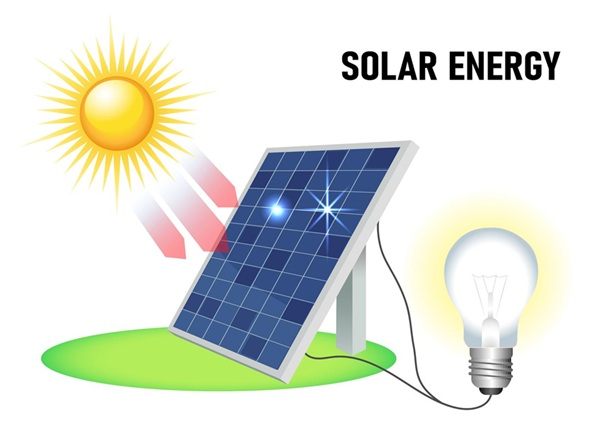
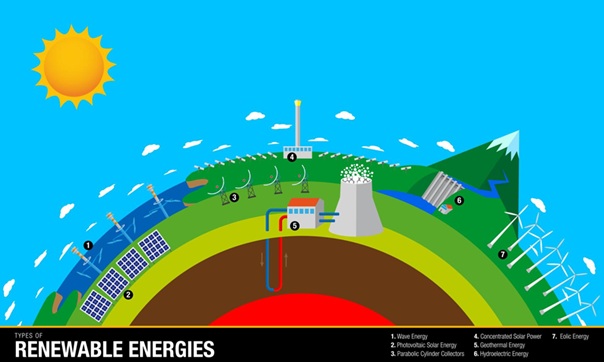
Besides batteries and generators, there are other ways to produce electricity.
One of them is solar panels.
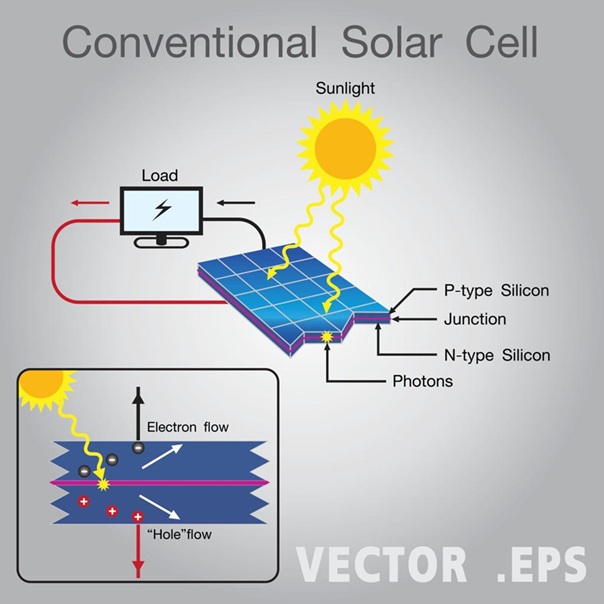
Solar panels convert sunlight into electrical energy.
When sunlight hits the surface of the panel, energy from light particles (photons) is transferred to electrons inside a semiconductor material.
These electrons begin to move, creating an electric current.
This process is called the photovoltaic effect.
Summary
Electricity can be produced in different ways, but it always involves converting one form of energy into electrical energy.
Batteries and rechargeable batteries produce electricity through chemical reactions.
Generators produce electricity through the movement of conductors in a magnetic field.
Solar panels convert light energy into electrical energy.
Despite the different methods, all sources of electricity serve the same purpose —
they create conditions in which electric charges begin to move.
Next
This leads to another important question.
If sources of electrical energy cause charges to move,
what physical quantity describes this force?
In the next article we will explore the concept of voltage and its role in electrical circuits.
You may also
🔧 visit the “Devices” section to see practical applications;
📘 continue learning in the “Education” section;
💬 ask questions or join the discussion on the Forum.